

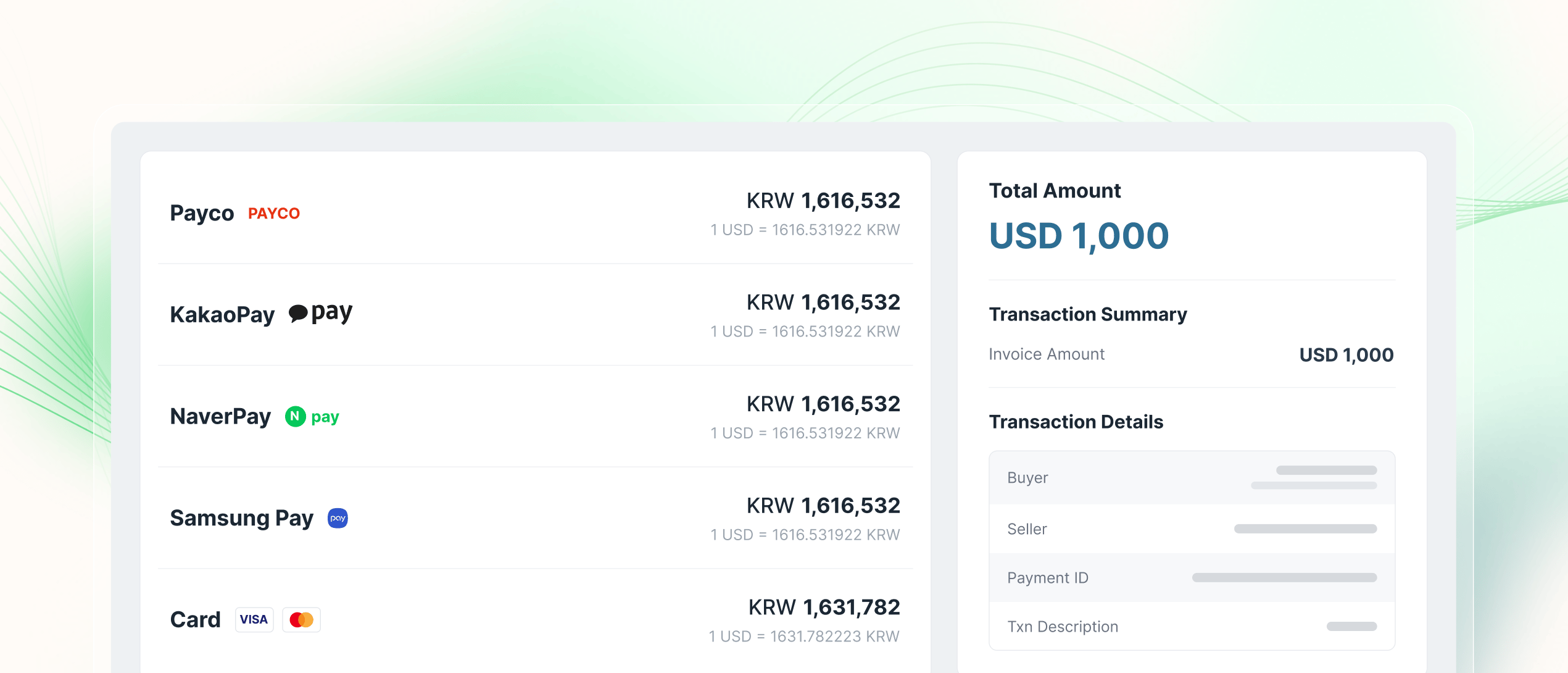
Why Use LPMs
- Higher conversion rates: Preferred by local users over international cards
- Lower fees: Often cheaper than international card processing
- Broader reach: Access unbanked/underbanked populations
- Regulatory compliance: Built for local market requirements
- Single integration: One API for all regional methods
Payment Method Categories
QR Code Payments
Real-time push payments via QR code scanning.
Technical flow:
- Generate QR code via API
- Display to customer
- Customer scans with banking/wallet app
- Receive webhook notification on payment completion
Bank Transfers
Direct bank-to-bank transfers via online banking.
Technical flow:
- Customer selects bank at checkout
- Redirect to bank’s online banking portal
- Customer authorizes payment
- Redirect back to merchant with payment status
Mobile Money
SIM-based payment accounts, prevalent in Africa and Southeast Asia.
Technical flow:
- Initiate payment with mobile number
- Customer receives USSD/SMS prompt
- Customer enters PIN to authorize
- Receive webhook on completion
Digital Wallets
App-based payment accounts with stored value or linked funding sources.
Technical flow:
- Redirect to wallet login
- Customer authenticates
- Customer confirms payment
- Redirect back with payment status
Integration Patterns
Synchronous Flow
- Immediate payment confirmation
- Used by: UPI, Cards
- Customer stays on merchant page
Asynchronous Flow
- Payment confirmed via webhook
- Used by: Bank transfers, mobile money
- Customer redirected temporarily
QR-based Flow
- Display QR code
- Poll for payment status
- No redirect required
Technical Requirements
API Integration
Webhook Handling
- Implement webhook endpoint for async payment methods
- Verify webhook signatures
- Handle all payment states:
pending,succeeded,failed
Error Handling
- Payment method unavailable
- Customer cancellation
- Timeout scenarios
- Insufficient funds
Regional Coverage
Asia-Pacific
Asia-Pacific
- India: UPI, Net Banking
- Indonesia: Bank transfers, e-wallets (OVO, DANA, GoPay)
- Thailand: PromptPay, mobile banking, LINE Pay
- Philippines: GrabPay, PayMaya, bank transfers
- Singapore: PayNow
- Malaysia: FPX
- Vietnam: Bank transfers, e-wallets
Europe
Europe
- Netherlands: iDEAL
- Germany: SOFORT, Giropay
- Poland: BLIK, Przelewy24
- Belgium: Bancontact
- Austria: EPS
- Portugal: Multibanco
Latin America
Latin America
- Brazil: PIX, Boleto
- Mexico: SPEI
- Colombia: PSE
Africa & Middle East
Africa & Middle East
- Kenya: M-Pesa
- Uganda: MTN Mobile Money
- Tanzania: Tigo Pesa
- Egypt: Mobile wallets
Best Practices
- Display relevant methods: Use the Collection Methods API to show only available methods based on amount, currency, and customer location
- Handle timeouts: Set appropriate timeout values (10-30 minutes for bank transfers)
- Localization: Display payment method names and instructions in local language
- Status polling: For QR-based methods, poll status every 3-5 seconds
- Fallback options: Offer multiple payment methods as backup options
Related Resources
- Collection Methods API - Query available payment methods
- Payment Method Coverage - Detailed guides by region